

How Much Is My Eugene Home Worth? How Your Home's Value Is Really Determined
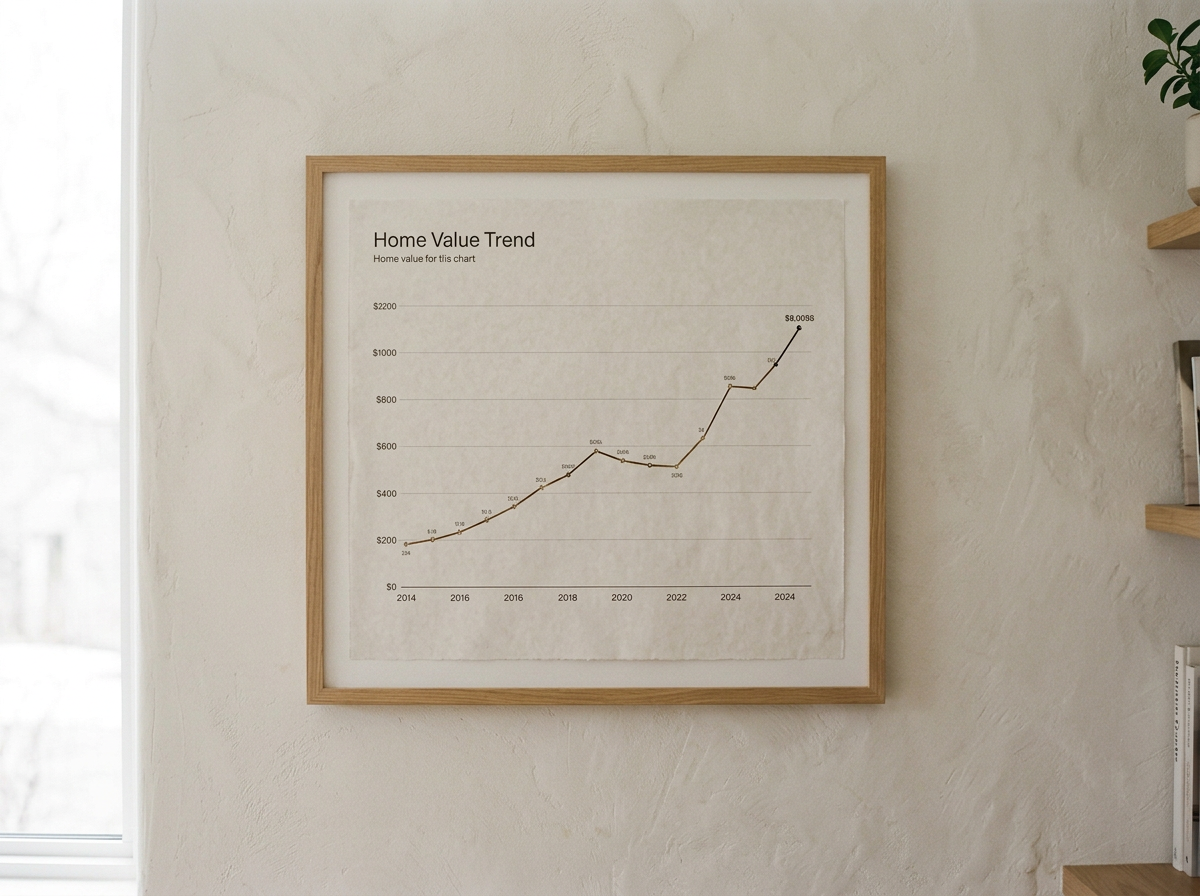
One of the first questions homeowners ask when they're thinking about selling is, "How much is my home worth?"
It's a simple question, but the answer is rarely as simple as typing your address into an online estimator. While websites like Zillow, Redfin, and Realtor.com can provide a helpful starting point, they don't always tell the full story.
So, what actually determines your home's value in Eugene?
Location Still Reigns Supreme
You've probably heard the phrase, "location, location, location," and it's true.
In Eugene, a home's value can vary dramatically depending on the neighborhood. Homes in South Eugene, the University District, Ferry Street Bridge, North Gilham, or the Southwest Hills may command very different prices than similar homes in other areas.
Even within the same neighborhood, factors such as a quiet cul-de-sac, mountain views, proximity to parks, or backing to open space can influence what buyers are willing to pay.
Comparable Sales Matter Most
The single most important factor in determining market value is recent comparable sales, often called "comps."
Real estate professionals compare your home to similar properties that have recently sold nearby. They look for homes with similar characteristics, including:
Square footage
Number of bedrooms and bathrooms
Age and condition
Lot size
Floor plan
Garage size
Updates and renovations
Overall appeal
A Comparative Market Analysis (CMA) uses these recent sales to estimate what buyers are likely willing to pay in today's market. In Oregon, CMAs are a standard tool brokers use to help sellers establish an appropriate listing price. (Oregon)
Condition Makes a Bigger Difference Than Many People Realize
Two homes with nearly identical floor plans can have significantly different values.
Buyers notice details like updated kitchens, remodeled bathrooms, fresh paint, new flooring, modern lighting, landscaping, and deferred maintenance. A well-maintained home often creates stronger first impressions, attracts more buyers, and can ultimately command a higher sale price.
On the other hand, homes that need repairs or updates may still sell well—but buyers will often factor those costs into their offers.
Current Market Conditions
Your home's value isn't determined in a vacuum. It also depends on what's happening in the local market today.
Questions we consider include:
How many similar homes are currently for sale?
How quickly are homes selling?
Are buyers competing for listings?
Are sellers offering concessions?
What are interest rates doing?
A home that might have sold for one price six months ago could be worth something different today simply because market conditions have changed.
Features That Add Value
Certain features consistently appeal to buyers, although the value they add varies from property to property.
Examples include:
Updated kitchens
Remodeled bathrooms
Energy-efficient improvements
Functional floor plans
Large or private backyards
Home offices
RV parking
Outdoor living spaces
Views
Quality schools nearby
Desirable neighborhood locations
The key is understanding which features buyers in your neighborhood value the most.
Why Online Estimates Can Be Misleading
Online home value estimates use automated valuation models (AVMs) that rely primarily on public records and recent sales. While they can provide a rough estimate, they don't know whether you've remodeled your kitchen, replaced your roof, installed new hardwood floors, or spent years meticulously maintaining your home.
They also can't account for details like exceptional landscaping, premium views, or a highly desirable location within a neighborhood. Because of these limitations, online estimates are best viewed as a starting point—not a definitive market value. (Lane County Homes)
Why Pricing Correctly Matters
Many homeowners assume pricing high leaves room to negotiate. In reality, overpricing often has the opposite effect.
Today's buyers have access to more market data than ever before. If a home is priced above what the market supports, buyers may simply skip it in favor of better-valued options.
Homes that linger on the market often require price reductions later and may ultimately sell for less than they would have if they had been priced appropriately from the beginning.
Accurate pricing is one of the most important decisions you'll make when selling your home.
So...What Is Your Home Worth?
The truth is, every home is unique.
The most accurate way to determine your home's value is through a personalized Comparative Market Analysis prepared by a local real estate professional who understands Eugene's neighborhoods, current buyer demand, and recent sales—not just citywide averages. (Oregon)
If you're curious about what your Eugene home might sell for in today's market, we'd be happy to provide a complimentary, no-obligation home valuation. We'll look beyond the online estimates and provide a data-driven opinion tailored specifically to your property.
At The Erin Ralston Group, we believe accurate pricing is part science, part local expertise, and part understanding what today's buyers are truly looking for. Our goal is to help you make informed decisions and position your home for the strongest possible result.
This is one of the strongest SEO topics for a real estate website because it captures homeowners at the very beginning of the selling process. It also naturally supports internal links to articles like "When Is the Best Time to Sell Your Home in Eugene?", "How to Prepare Your Home for Sale", and "How Long Does It Take to Sell a Home in Eugene?"